The Drift-Proof Larder: Feeding Neath When the Valley Road Disappears
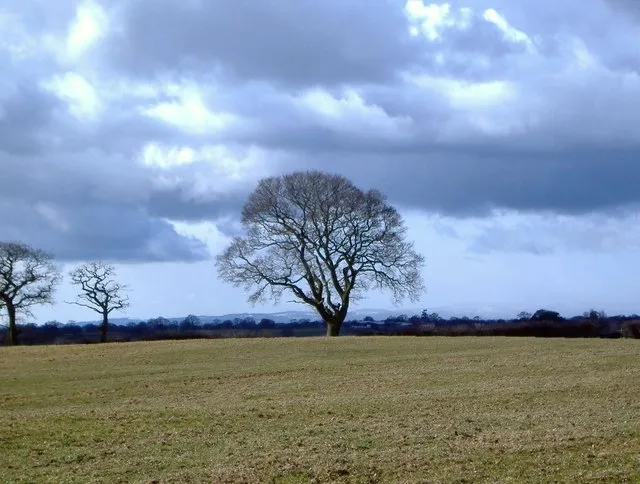
Photo: Mike Harris, CC BY-SA 2.0, via Wikimedia Commons
When the first proper snow settles over the Vale of Neath, the conversation in the bar changes. Talk of the rugby, the quiz and the next pint gives way to road reports: the A465, the back lane to Resolven, the hill up towards Glynneath. At The Bluebell Neath, the kitchen hears those reports as a prep list. A closed valley road is not a crisis in the dining room. It is a signal to switch from the printed menu to the snow-day menu, the one built for neighbours who cannot get home and drivers who cannot get through.
This is not heroics. It is habit, learned over winters when deliveries failed and the village looked to the pub for a hot plate. In 2026 the forecast apps are better and the gritters are quicker, but the principle has not changed: keep the larder deep, the cellar sensible and the door open.
Reading the Forecast Like a Prep List
The first job is not panic-buying. It is reading the week. If the Met Office is talking about snow over the valleys and a hard freeze behind it, the kitchen trims its fresh order and leans on what it already holds. Fresh fish and delicate greens come off the specials board. Root vegetables, leeks, potatoes, swede and onions move forward. The aim is a menu that can be cooked from the store cupboard and the cold room without a van turning up.
The second job is staffing. A snow-day menu is only useful if someone is there to cook it. At The Bluebell, that means checking who lives within walking distance, who can stay over, and who should not attempt the hill road in the dark. Boots go by the back door. Torches and a battery radio are checked. The rota becomes a conversation rather than a decree.
The Dishes That Carry a Snow Day
The snow-day menu is short, Welsh and built for a room full of appetites. Cawl sits at the top of it: lamb or beef, root vegetables, leeks, barley and a long, slow simmer. It can be made in a big pot, held hot, and served in mugs or bowls. It also improves overnight, which matters when the weather has no timetable.
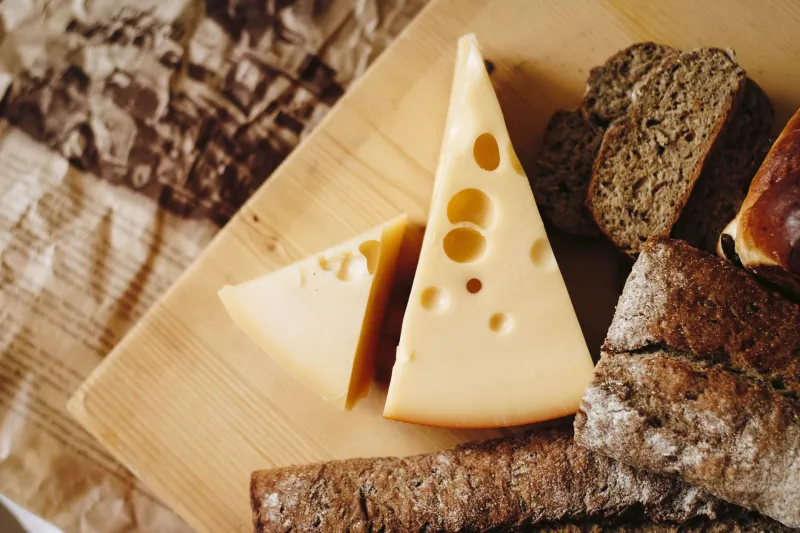
Faggots follow close behind. The butcher's parcels of pork, liver and herbs, baked with onions and gravy, are made for mash and a dark pint. Steak and ale pie uses whatever ale is already open in the cellar, with a shortcrust lid and a jug of gravy on the side. Welsh rarebit covers the gaps between lunch and supper: thick toast, mustard, ale and a sharp cheddar under the grill.
Then there are the small things that keep a snowbound pub feeling human: chips with proper salt, warm Welsh cakes with butter, a bowl of laverbread on toast for the brave, and a pot of tea that does not stop. The point is not fine dining. The point is a hot plate, a full stomach and a reason to stay a while.
A Pantry That Does Not Wait for the Van
A snow-day larder is a quiet thing. It is sacks of potatoes in a cool corner, flour and oats in sealed tubs, tinned tomatoes and pulses on the shelf, stock cubes, dried herbs and a crate of onions. It is butter, cheese and eggs from a local supplier when the roads allow, and a backup plan when they do not. It is a few litres of long-life milk for the tea urn and a tray of bread in the freezer.
The cellar gets the same treatment. Extra casks of session ale are ordered before the cold snap, not during it. The lines are cleaned, the gas is checked and the dark beers are given room. A snow day is not the moment to run out of bitter or to discover that the only thing left is a strong winter ale that will put the room to sleep. A sensible cellar is a public service.
When the Village Comes In
The pub's role on a snow day is not to pretend it is a rescue centre. It is to be the warmest room in town. That means lighting the fire early, clearing the step, putting grit down and making sure the accessible route is open. It means charging a phone for someone whose power is off, filling a flask for a neighbour who cannot get out, and keeping a table free for the people who have walked in through the drifts.
It also means food that travels. Takeaway containers of cawl and mash, wrapped pies and a jug of gravy go out to the houses at the end of the lane. The kitchen does not make a fuss about it. A snow day is a reminder that a pub kitchen is part of the local food system, not separate from it.
The Warmest Room in Town
When the valley road closes, the printed menu can wait. The snow-day menu is not a compromise; it is a statement about what a Neath pub is for. It is a pot of cawl, a slice of pie, a full glass and a room where the weather is outside for a while. The forecast will do what it does. The kettle will stay on.