The Solo Diners' Corner: Why Neath Pubs Should Set a Place for One

Photo: solo diner at pub bar with pie and pint, warm Welsh pub interior, low light, via imaxvictoria.com
It is a wet Tuesday in Neath, the sort of evening that persuades most people to stay in. At The Bluebell Neath, one guest takes the corner seat by the window: a pint of dark ale, a pie with a proper lid, and no book, no phone, no apology. The room does not pause. Nobody asks where the rest of the party is. That, in itself, is the point.
The Measure of a Room Is How It Seats One
Pubs are rightly praised for how they handle a crowd. A full bar on a rugby Saturday, a birthday party spilling into the snug, a quiz team arguing over the picture round: these are the scenes that get remembered. But a good pub is tested just as sharply by a single person who wants a warm meal and a quiet hour. The solo diner is not an awkward gap in the bookings. They are a guest with the same claim on the room as a table of twelve, and they should be treated that way from the moment they come through the door.
That is not always how it goes. Too many pubs make a solo guest feel like an administrative problem: a table held for someone more profitable, a menu waved away, a comment about eating alone that is meant kindly and lands badly. In Neath, we can do better. A pub that can feed one person well can feed anyone.
A Bar Seat Is Not a Holding Pen
There is a lazy habit in some places of treating the bar stool as a waiting room. You perch there if you are early, or if the kitchen is full, or if you have only stopped for a quick half. At The Bluebell, we try to treat the bar as a proper table. That means a menu within reach, cutlery if you want it, and a seat that is not in the draught of the door. It means asking whether the guest would like company or quiet, then listening to the answer.
A bar seat has its own advantages. You can see the room without joining it. You can watch the pumps being pulled, catch the smell of onions and gravy from the pass, and feel part of the evening without having to perform. For a shift worker coming off a late turn, or a visitor with an hour before the train, that is often exactly right.
Smaller Plates, Proper Cooking
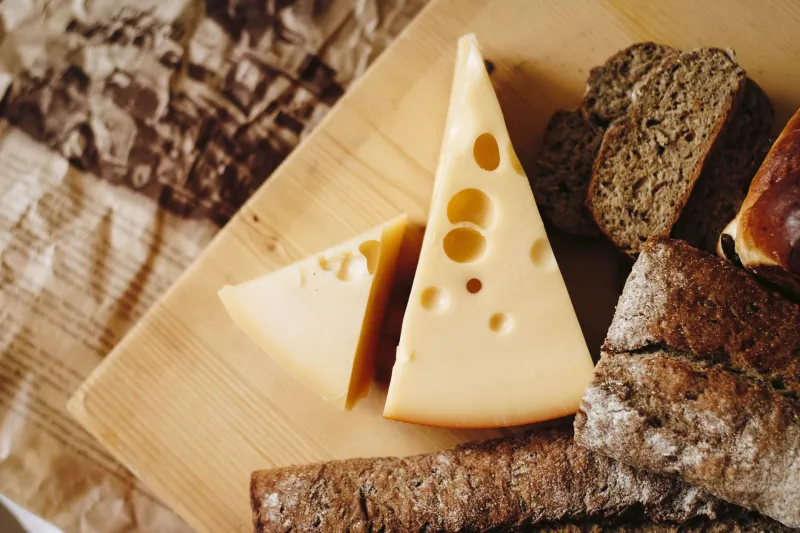
Hearty does not have to mean enormous. Some of the best solo meals are built from smaller plates that have had just as much thought as the big roasts. A bowl of cawl with a hunk of bread. A wedge of Welsh rarebit on thick toast. A slice of pie with buttered greens and a jug of gravy. A couple of Welsh cakes and a pot of tea if the evening calls for it. These are not side dishes or afterthoughts. They are proper cooking, priced fairly, and they suit a person eating alone far better than a plate that could feed a family.
A word on the menu itself: a solo guest should not have to order a main course they cannot finish just to be taken seriously. Smaller portions, a pick-and-mix board, or a half-and-half option tells the room that the kitchen understands how people actually eat. It is hospitality, not compromise.
The Guest You Might Not See
The solo diner is not one person. They are a recently bereaved regular who cannot yet face cooking for one at home. They are a nurse or a factory worker coming off shift when the rest of the town is settling in. They are a visitor from the Vale who has missed the last bus and needs somewhere warm to wait. They are a parent with an hour to themselves, a student with a notebook, a neighbour who simply fancies a pint and a pie without having to organise a group chat.
A pub does not need to interrogate any of them. It needs to make room. That is the quiet work of community spirit: not a brass band on the lawn, but a chair pulled out, a menu offered, and no fuss made about the fact that the guest has come alone.
Hospitality Without a Performance
The best service for a solo guest is alert without being intrusive. Read the signals. If they open a paper, let them read. If they look up and catch your eye, say hello. If they ask what is good on the board, tell them honestly. A top-up offered at the right moment can be worth more than a dozen cheerful questions about their plans for the evening. The aim is not to entertain the solo diner. It is to make them feel that their custom matters, and that their quiet is respected.
The Quiet Ritual Worth Protecting
There is a certain civilisation in a midweek pint and a pie eaten alone. It is not lonely; it is unhurried. It is a chance to sit in a warm room, be looked after without a fuss, and leave when you are ready. In a town like Neath, with its abbey, its valley and its long pub memory, that ritual belongs to everyone. So the next time you see a single guest at the bar, do not ask where the rest of their party is. Ask whether they would like the window seat. It is a small thing. It is also the whole thing.