Poppies on the Bar: How Neath Pubs Keep the Eleventh Hour
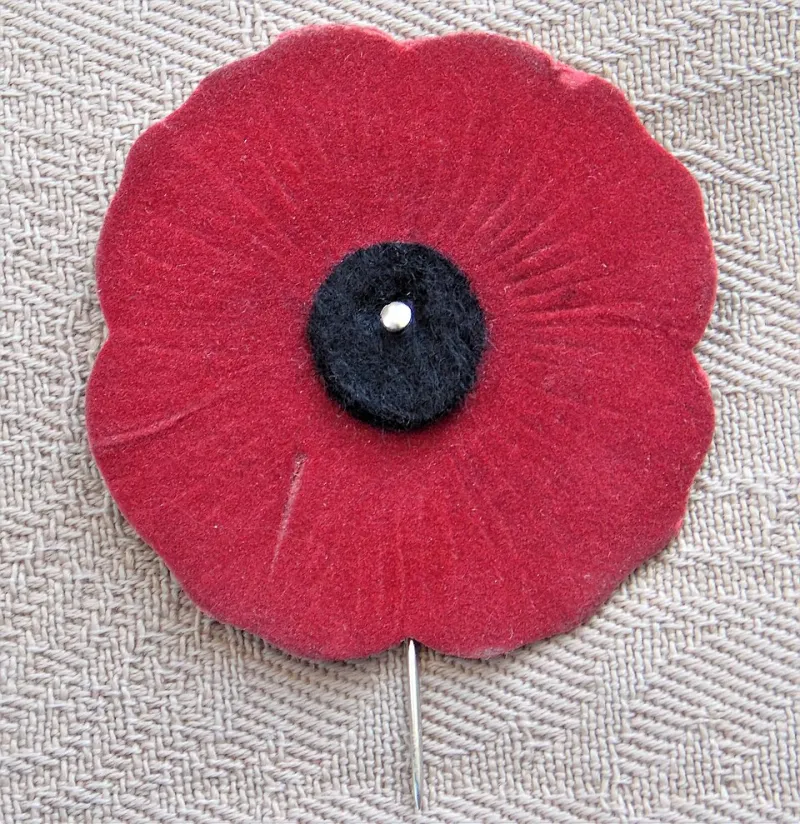
Photo: Heatherannej, CC BY-SA 4.0, via Wikimedia Commons
There is a particular sort of quiet that settles over a pub at five to eleven on a November morning, and it is nothing like the quiet of an empty room. Glasses are still half full. Coats are still slung over chair backs. Somebody's lunch is going cold under the lamp on the pass. It is the quiet of a full room deciding, all at once, to stop.
Armistice Day 2026 falls on a Wednesday, which means the valley marks remembrance twice over — once with the parades and wreaths of Remembrance Sunday on the eighth, and again today, on the eleventh, in smaller and more scattered fashion. Pubs sit at the centre of both. Not because anyone has asked them to, particularly, but because they always have.
The Tin Beside the Till
Walk into almost any pub in Neath this month and you will find the same arrangement: a small cardboard tray, a handful of poppies, a collection box that has been quietly filling since late October. It is rarely announced from behind the bar. Nobody makes a speech about it. It is simply there, next to the charity box for the air ambulance and the jar of dog treats, and it does the job it has done since the Royal British Legion began selling poppies in the early 1920s.
What is striking is how little prompting it needs. In a town where plenty of families have a name on a memorial somewhere — the gates at the Gnoll, the stone in a village square up the Dulais, the plaque in a chapel that has since become flats — the poppy is less a political statement than a piece of local furniture. Landlords top the tray up. Regulars drop in a note and take two. Somebody's grandchild wears one to school and loses it by home time, and another gets bought on the way past.
A Table Set Aside
In several pubs around the town, Remembrance Sunday means a table gets reserved for the people coming back from the parade. Sometimes it is a formal booking. More often it is a nod and a gesture: the corner table, the one with the good light, held from noon until the last of the contingent has been fed.
Those tables are not solemn places. That is the point. There is leg-pulling about uniform, teasing about who marched out of step, a great deal of catching up. Younger veterans and older ones compare notes across a gap of decades and find, generally, that the beer has not improved and the weather has not worsened. It is a reunion with a reason attached, and the reason is worn on the lapel rather than spoken aloud.
When the Room Stops
At eleven o'clock, everything goes still. In town centre pubs the silence tends to coincide with the two-minute commemoration at the war memorial, so the room empties slightly and then fills again. Elsewhere — out in Tonna, up in Glynneath, along the road at Skewen — the timetable is the pub's own.
What matters is that it happens at all, and that it happens without fuss. The bar staff stop pulling. The kitchen goes quiet. Somebody turns the music off and leaves the screens dark. For two minutes, a room full of people who did not necessarily agree on anything else that week agree on this. Then the first chair scrapes back, the first glass is lifted, and the ordinary noise of a Wednesday returns.
There is something quietly Welsh about that rhythm — the hush and the resumption, the sense that remembrance and getting on with it are not opposites but neighbours.
The First Pint, and What Comes With It
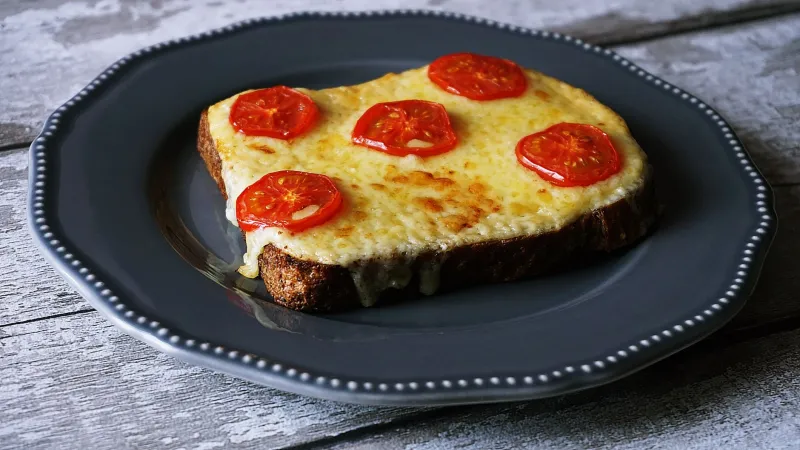
After the silence comes the plate. Nobody in Neath has ever needed persuading that a serious occasion deserves serious food, and the pubs that do Remembrance best understand that a bowl of cawl and a slice of bread and cheese will do more for a cold, standing-around morning than any amount of ceremony.
Expect the usual suspects on the boards this week: cawl with a decent heel of mature Welsh cheese, faggots with mushy peas for the table that has been out since ten, a pie with proper gravy, and something warm and sweet to finish. A pint of bitter or a dark ale alongside, served without comment, because the first drink after the silence is rarely a celebration and rarely a lament. It is just a drink, taken among people, which is its own kind of comfort.
Why the Pub Is the Right Room for This
There are grander places to remember. There are churches, memorials, civic squares with better acoustics and worse parking. But the pub does something those places cannot: it holds remembrance inside ordinary life, where most of the people being remembered actually spent their time.
The men and women named on valley war memorials worked in the pits and the tinplate, drank in these rooms, argued about rugby in these corners. Remembrance that only ever happens in a solemn building can start to feel like a museum piece. Remembrance that happens over a pint feels like a family still keeping in touch.
Raising a Glass, Not Making a Speech
So today, on the eleventh, the pubs of Neath will do what they do every year. The poppies will sit by the till, the corner table will be quietly reserved, the music will stop at eleven, and then the kitchen will send out something hot and honest to whoever is in.
No speeches. Nobody will ask for one. But if you happen to be in a Neath pub at eleven o'clock this morning, stand up, keep still, and then — when the room breathes again — order a pint and a plate, and raise it quietly to the ones who never came back for theirs.