The Slate Between Friends: A Welsh Cheese Board Built for Neath Pints
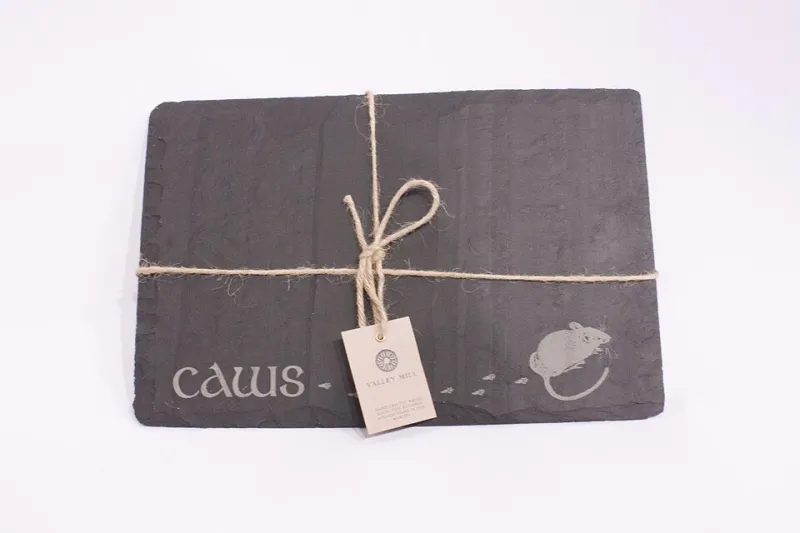
Photo: National Assembly for Wales from Wales, CC BY 2.0, via Wikimedia Commons
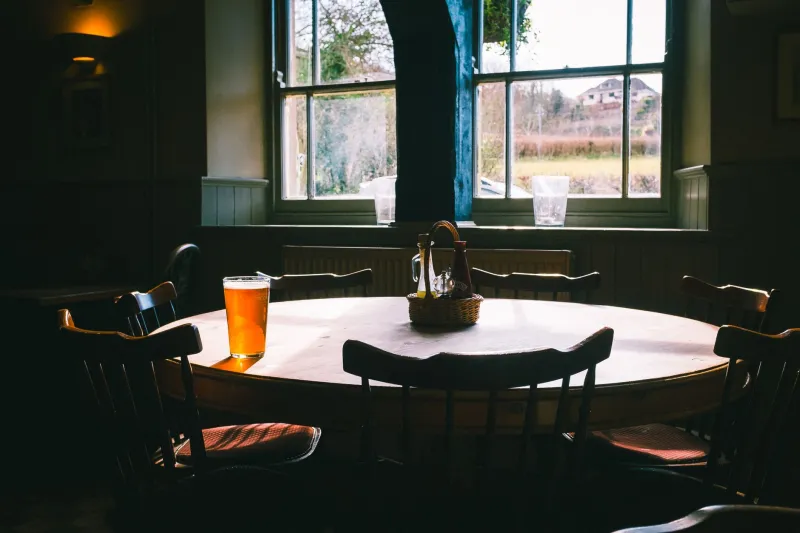
There is a moment, somewhere between the last forkful of Sunday roast and the walk home past the Abbey, when a pub table decides what it wants next. Sometimes it wants pudding. Often, especially when the fire is lit and the pints are still half full, it wants cheese. Not a tiny wedge on a plate. A proper board, passed round, argued over, and rebuilt with whatever is closest to hand.
That is the case for cheese as a shared, pint-friendly finish. It slows the evening down without making it formal. It gives a table something to do with its hands. And in Wales, it gives us a chance to put some of the best food in the country right next to some of the best beer.
Start with the Slate, Not the Syllabus
A good pub cheese board is not an exam. You do not need seven cheeses and a printed tasting note. Four is plenty. Three is fine. What matters is contrast: something fresh and crumbly, something rich and nutty, something blue, and something with a bit of a story.
At The Bluebell, we like a slate or a thick wooden board, a small dish of chutney, a handful of oatcakes, a sliced apple, and maybe a few pickled walnuts if they are going. Keep the cheese out of the fridge for half an hour before serving. Cold kills flavour. One knife per cheese is not fussiness; it is common sense, especially when blue is in the room.
And do not drown the board in crackers. You are not building a wall. You are building a conversation.
Caerphilly and a Pale Ale
Caerphilly is the quiet hero of the Welsh cheese board. It is crumbly, bright, salty and lactic, with a clean finish that makes you reach for another piece. Historically it was a miners' cheese, made to be eaten quickly and carried into the valley. That practical spirit still suits a pub table.
Serve it in rough wedges, rind on, with a crisp Welsh pale ale. The carbonation lifts the salt and the citrus in the hops meets the cheese's fresh acidity. If the pale is too heavy, the cheese disappears. If it is too light, the beer gets lost. A good ordinary bitter works too, but pale is the happier match.
A slice of apple alongside is not decoration. It is a bridge between the cheese and the hops.
Hafod Cheddar and a Best Bitter
Hafod is a proper Welsh cheddar from Ceredigion, made with organic milk and a patience you can taste. It is buttery, nutty and savoury, with enough acidity to keep it from feeling heavy. This is the cheese that turns a board from a snack into a meal.
Pair it with a best bitter. The malt sweetness in the beer softens the cheddar's edges, while the hop bitterness cuts through the fat. It is the sort of match that makes you put your glass down and say, quietly, that is good.
Serve Hafod in thicker slices than the Caerphilly. Let it come up to room temperature properly. A little chutney is fine, but not too much. This cheese has its own voice.
Perl Las and a Welsh Stout
Perl Las is a blue cheese from Caws Cenarth in Carmarthenshire, and it is a good ambassador for anyone who thinks they do not like blue. It is creamy, gently salty and more rounded than aggressive, with a blue streak that knows its place.
A Welsh stout is the natural partner. The dark malt, coffee and cocoa notes wrap around the cheese without smothering it. If stout is not your thing, a porter will do nicely. Keep the portion small. Blue cheese is generous enough on its own.
Serve it with a separate knife, a few oatcakes and perhaps a drizzle of honey on the side for anyone who wants it. Do not put the honey on the cheese yourself. Let people decide.
Y Fenni and an Amber Ale
Y Fenni is the board's bit of mischief. A Welsh cheese made with ale and mustard seeds, it has a savoury, tangy kick that wakes up the palate. It is not subtle, and it does not pretend to be.
An amber or ruby ale is the right company. The beer's gentle sweetness and toasted malt meet the mustard and the ale in the cheese without turning the whole thing into a shouting match. It is also very good with a bit of leftover roast beef, if you happen to be in that kind of mood.
Slice it thinner than you think. A little goes a long way, and the mustard seeds should be a spark, not a mouthful.
The Pudding Question
None of this is an argument against pudding. A warm Welsh cake has its place. But a cheese board does something a pudding cannot: it keeps the table together. It is passed, not plated. It invites another pint rather than a coffee. It is generous without being fussy.
So next time the evening is winding down and someone asks about pudding, point at the slate. Ask for four Welsh cheeses, a handful of oatcakes and whichever local pints are pouring best. Then sit back and let the table do what it does best.
That is not a tasting menu. That is a Neath pub night.