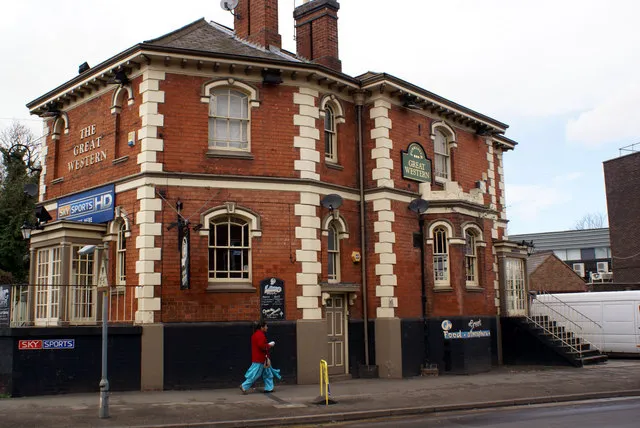
When the Room Finds Its Voice: The Pub Sing-Song Returns to Neath
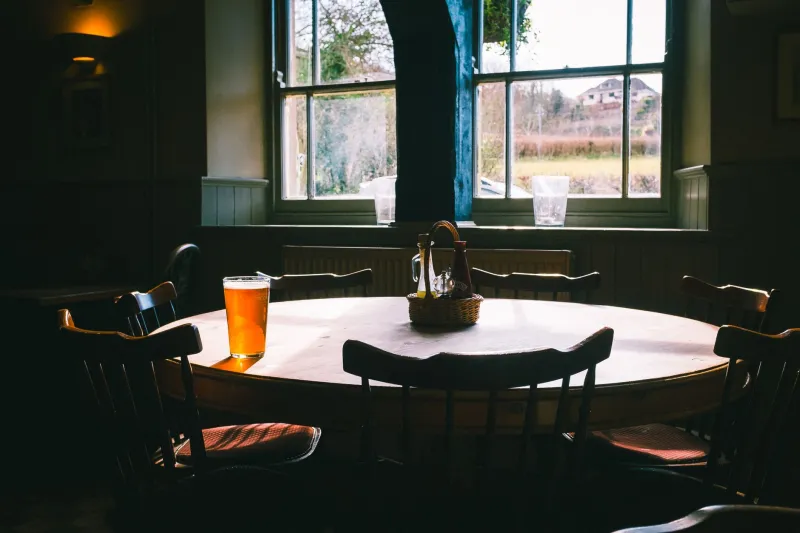
There is a particular sound a Neath pub makes when it decides to sing. It starts as a shuffle of chairs, a landlord lifting a piano lid that has not been lifted in months, and somebody saying, “Go on then, if you’re going to do it.” Ten minutes later, the whole room is in on the chorus.
That sound is coming back. Not in a staged, ticketed, turn-up-and-perform kind of way, but in the older, looser tradition of the pub sing-song: Welsh hymns, rugby songs, folk tunes, the odd pop song that everybody knows and nobody will admit to knowing. Across the town in 2026, landlords are finding that if you make a small space for a song, people will fill it.
A Piano, a Pint and a Bit of Nerve
The piano is often the spark. In one Neath bar it sits under a framed valley photograph, slightly out of tune in the bass, and has become the excuse for a Thursday night that nobody planned. A regular sits down, plays a few chords, and waits. Someone else starts “Calon Lân”. By the second verse, the bar staff are singing the harmony and a table of rugby supporters has stopped arguing about the match.
“You don’t need a stage,” says one landlord who has recently moved a fruit machine to make room for a piano. “You need a corner, a bit of nerve and somebody who can start. The rest is just people joining in.”
That is the thing about a pub sing-song: it is not a performance. Nobody is auditioning. The point is not to be good. The point is to be together, to make a sound that belongs to the room rather than to any one person on a microphone. In a town with a strong choir tradition, that distinction matters. Neath has never been short of good singers. What it has sometimes been short of is places where singing does not feel like a test.
From Chapel and Choir to the Back Bar
The roots are obvious enough. Welsh hymnody, chapel singing, male voice choirs, rugby terraces, the old workingmen’s clubs — all of it feeds into the pub sing-song. But the pub version is less polished and more democratic. You do not need to read music. You do not need to have rehearsed. You just need to have heard the tune somewhere before and be willing to have a go.
Members of local choirs are often the ones who get it going, but they are careful not to turn it into a concert. One choir singer I spoke to described the pub night as “the opposite of a rehearsal”. She added: “In choir, you are working on the blend and the phrasing. In the pub, you are working on the chorus and the next pint. Both are good for the soul, but only one of them lets you sit down.”
That relaxed approach is why the sing-song is spreading. Landlords report that the nights are not expensive to run. A piano that is already there, a few song sheets, a landlord who is happy to turn the music down — that is most of the kit. The rest is atmosphere, and atmosphere is something Neath pubs have in abundance when they are allowed to settle.
What to Put on the Long Table
A sing-song is hungry work. It is also thirsty work, and the food that suits it is not fussy. This is long-table food: something you can pass along, pick at between verses and come back to when the chorus ends.
At The Bluebell Neath, we would be reaching for the hearty stuff. A slow-cooked cawl in small bowls, so people can hold a spoon and a song sheet without too much trouble. Wedges of Welsh rarebit on thick toast, salty enough to keep the thirst coming. A plate of faggots and peas to share, or a pie cut into quarters because nobody wants to be the person carving while the room is on the second chorus of “Delilah”.
For ale, keep it simple and sessionable. A best bitter, a dark mild, something local and not too strong. The point is not to get carried away; the point is to keep the evening going. A pint that you can sing through is worth more than a pint that demands your full attention.
And if the piano is in tune enough to carry a hymn, it is in tune enough to carry a rugby song. The two are not as far apart as people think. Both depend on a room knowing when to come in.
The Room Changes
Anyone who has been in a pub when a sing-song starts knows the shift. Before the first song, the room is a collection of separate tables. After the first chorus, it is one room. People who have never spoken are sharing a tune. Someone’s grandmother knows all the words. Someone’s teenager knows none of them but joins in anyway.
That is why the comeback matters. Neath is a town that has lost plenty of places to gather over the years, and the ones that remain have to work harder to be more than somewhere to buy a drink. A sing-song does not solve everything. But it does something simple and valuable: it gives people a reason to stay, to listen, and to make a bit of noise together.
In 2026, that feels worth protecting. Not by formalising it, or ticketing it, or putting it on a schedule with a logo. By clearing a corner. By keeping the piano. By letting the room find its voice again.
If you are in Neath and you hear a piano start up, do not wait to be asked. Pull up a chair, get a pint in, and learn the chorus. That is how it comes back.