Raise a Dark Mild to the Mince Pie: Neath's Festive Pairing Rebellion
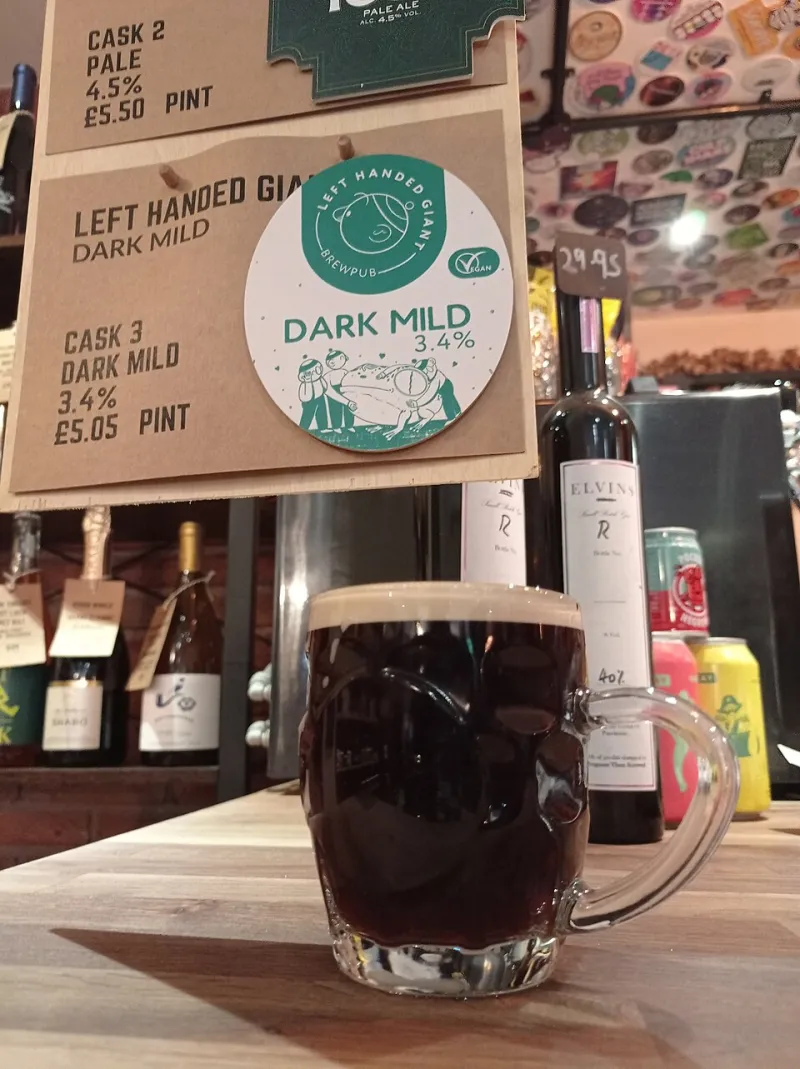
Photo: 55belgianbeerfan, CC0, via Wikimedia Commons
Every Christmas table in Neath has its rituals. The good plates come out. Someone claims the best chair. A bottle of sherry appears, dusty-shouldered and inherited from a cupboard nobody has audited since the last century. It is not a bad drink. It is simply not the only answer, and this year we would like to make a cheerful case for the alternative sitting quietly in the cellar: Welsh ale, poured properly, beside the sweetest things on the table.
The Bluebell kitchen has spent the past few weeks doing what pub kitchens do best — testing, arguing and eating slightly more mince pies than is strictly professional. The result is less a decree than an invitation. If the sherry bottle has become a habit rather than a pleasure, there is a dark mild with your name on it.
Why Sherry Gets the First Pour
Let us be fair to the fortified wine. Sherry has earned its place through sheer reliability. A cream sherry brings sweetness, nuttiness and a gentle warmth, and it can stand up to dried fruit without blinking. It also carries a certain inherited ceremony. For many families, the sherry is less a flavour decision than a piece of theatre — the glass that says Christmas has officially started.
But ceremony can tip into heaviness. A rich sherry alongside a mince pie already loaded with sugar, suet and spice can feel like two armchairs in a small room. The palate tires. The second pie looks less inviting. And the bottle tends to be opened once, toasted once and then returned to the cupboard until next December.
Ale offers a different kind of festive pleasure. It can be malty without being syrupy, spiced without being perfumed, and low enough in strength to allow a second glass with the cheese. It also feels local in a way that a bottle shipped from Jerez never quite can. In Neath, that matters.
The Case for Malt, Spice and a Bit of Weight
A good Christmas ale does not need to shout. The styles that work best at the festive table tend to share three qualities: gentle malt sweetness, a touch of dried-fruit character and enough carbonation to lift the palate between rich mouthfuls.
Dark mild is the quiet hero of this argument. It has the colour and comfort of a winter ale without the alcohol punch, and its soft, biscuity malt is a natural bridge to the pastry and brown sugar in a mince pie. A winter warmer — think amber to ruby, with notes of caramel, orange peel and a whisper of spice — can carry Christmas pudding where sherry sometimes swamps it. A porter brings cocoa and coffee notes that make marzipan taste less like a chore and more like a treat. Even a well-made best bitter has a place beside a wedge of Wensleydale, its bitterness cutting through the cheese and the sweetness of pickle.
The principle is simple: match weight with weight, but bring freshness as well as richness. Sherry brings sweetness and alcohol. Ale brings malt, hops, bubbles and a gentler hand on the brakes.
The Bluebell Tasting Table: Four Festive Matches
We set out a handful of locally available ales alongside the usual December suspects. This was not a laboratory exercise. It was a Tuesday afternoon in the pub with four plates, six glasses and a firm rule that nobody was allowed to use the word mouthfeel without washing up first.
Dark mild with mince pies
The mild was the surprise winner. Its low bitterness and soft malt let the mixed spice and citrus peel in the mincemeat do the talking, while the gentle fizz cleaned the pastry from the roof of the mouth. A pie that normally demands a cup of tea suddenly felt complete. If you serve one pairing from this article, make it this one.
Winter warmer with Christmas pudding
Christmas pudding is a dense, dark, boozy thing. It does not need another dense, dark, boozy thing shouting at it. A winter warmer with caramel and dried-fruit notes worked because it echoed the pudding without copying it. The carbonation was the key. Sherry can coat; ale can lift. A small glass of the warmer, poured at cellar temperature rather than ice cold, was enough.
Porter with marzipan
Marzipan divides families. For those who love it, a porter is a fine companion. The roasted malt and cocoa notes made the almond sweetness feel deliberate rather than cloying. For those who find marzipan too much, the porter at least gives you something else to think about. We also tried a chocolate-forward dark ale and would not argue with anyone who preferred it.
Best bitter with Wensleydale
Wensleydale and Christmas cake is an old combination, and a good bitter makes it feel less like a novelty and more like a proper end to the meal. The hop bitterness cuts through the cheese's creamy crumble, while the malt brings out the fruit in the cake. It is the least fussy pairing of the lot, and the one most likely to turn into a second round.
Serving Notes from the Bluebell Kitchen
A few practicalities make a difference. Do not serve these ales straight from the fridge. A dark mild or winter warmer at around 10 to 12 degrees will release its malt and spice; too cold and it turns thin and mute. Use a proper glass, not a plastic tumbler, and give the beer a moment to settle. If you are pairing across a whole meal, keep the strengths modest. A 3.8 per cent mild lets you enjoy the pudding course without losing the thread of the afternoon.
And do not bin the sherry entirely. A small glass of something dry and nutty beside the cheese is a fine thing. The point is not prohibition. The point is choice.
A Neath Christmas, Poured Locally
What we like most about this argument is that it keeps Christmas close to home. Neath has breweries, pubs and kitchen tables full of people who know how to feed a room. Choosing a Welsh ale for the festive board is not a rejection of tradition. It is an addition to it — a second bottle on the table, a new glass to pass around, a reason to ask what everyone thinks.
So this December, put a dark mild beside the mince pies and see what happens. Keep the sherry if you love it. But give the ale a fair hearing. The worst that can happen is that you have to eat another pie to make sure.
The Bluebell Neath serves local ales and seasonal Welsh food throughout December. Pop in for a taster before you commit to the Christmas shop.