The Quiet Power of a Neath Sunday Roast

Photo: Sunday roast Welsh pub table gravy seasonal vegetables, via wallpaperbat.com
There is a certain kind of Sunday in Neath that does not need a headline. The rain is off somewhere over the valley, the town is moving slowly, and by half twelve the pubs are beginning to fill with people who have not come for a festival or a big event. They have come for a roast. It is the most ordinary thing in the world, and that is exactly why it matters.
More Than a Plate of Dinner
A Sunday roast is not just lunch. It is a weekly appointment with your neighbours. It is the couple who always sit near the window, the family with the pushchair, the older gentleman who reads the paper until his dinner arrives, the group of friends who have been meeting at the same table for years. Nobody has to buy a ticket. Nobody has to dress up. You just turn up, sit down, and pass the gravy.
We think that does more for community than any one-off event. A big night out is lovely, but it is a blaze. A Sunday roast is a steady fire. It gives people a reason to leave the house on the quietest day of the week, and it gives them something to talk about that is not the weather. At The Bluebell Neath, the roast is not a sideline. It is the heart of the week.
The Meat Has a Postcode
You cannot build a good roast on vague promises. Our kitchen starts with the meat, and the meat starts with people we can ring up. Welsh beef, lamb and pork from local suppliers who care about how it is reared and how it is hung. That does not mean we are precious about it. It means we know where it came from, we know what it should taste like, and we know that a roast is only as good as the joint at the centre of the plate.
Local sourcing is not a slogan for us. It is a practical decision. When you buy from a butcher or a farm you know, you get better answers about what is in season, what is good this week and what needs a bit more time in the oven. It also keeps money in the local economy, which is a quiet form of community work in itself. You do not need to make a speech about it. You just need to serve a piece of Welsh beef that tastes like it had a life before it reached the plate.
Gravy Is Not a Condiment
If there is one thing that separates a proper Sunday roast from a sad imitation, it is gravy. Not granules. Not something that arrives in a jug with the colour of old varnish. Proper gravy takes time. Roasting juices, bones, vegetables, a little flour and butter, stock that has had a chance to get to know itself. It should be dark, glossy and just thick enough to cling to a roast potato without turning into wallpaper paste.
At The Bluebell, we treat gravy as part of the cooking, not an afterthought. It is the thing that ties the meat, the potatoes and the vegetables together. It is also the thing that gets passed around the table, which is its own small act of generosity. A good gravy boat does more for neighbourly relations than most ice-breakers.
Vegetables With a Welsh Accent
A roast is not just meat and potatoes. The vegetables matter, and they should taste of the season rather than a freezer aisle. In winter, that means roots: carrots, parsnips, swede, leeks, cabbage and whatever the growers can stand behind that week. We like vegetables that have been given a bit of care: roasted until sweet, buttered without apology, or braised slowly with a little stock and pepper.
Welsh food is often at its best when it is not trying too hard. A dish of leeks in a cheesy sauce, a mound of buttered cabbage, a few roast parsnips with honey and mustard. These are not fancy. They are familiar. And familiar food is what makes a pub table feel like a place you belong.
The Ritual of the Table
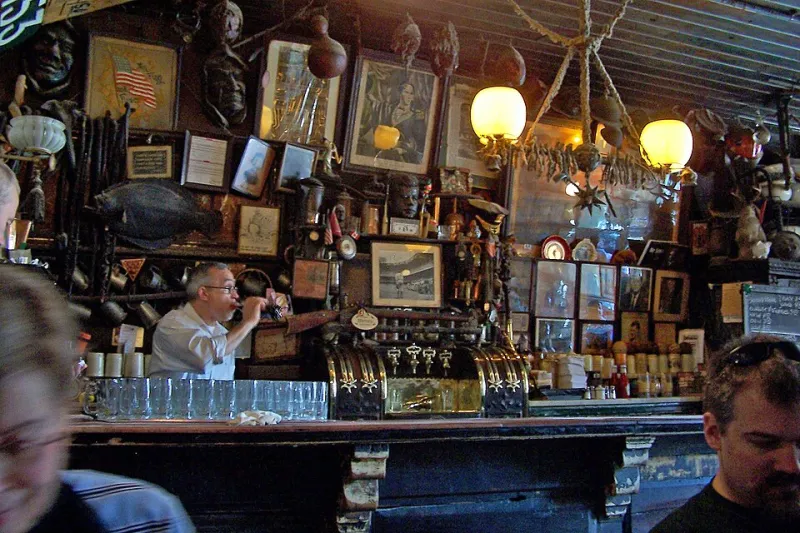
The Sunday roast has its own rhythm. The ordering, the waiting, the first sight of the plate, the small negotiation over who gets the last roast potato. It is a ritual without being formal. You can come in muddy from a walk. You can bring the children. You can come on your own and read the paper. You can have a pint of local ale or a pot of tea. Nobody is checking whether you are doing Sunday properly.
That is the point. A good pub roast is not a performance. It is a service, in the old-fashioned sense. It is the kitchen saying: we have made something warm and generous, and there is room for you. At The Bluebell, we try to keep the pace human. No one should feel rushed off the table the moment the last fork goes down. The roast is the reason you came, but the sitting is the reason you stay.
Why It Beats the Big Event
Big events have their place. A fundraiser, a match, a festival, a night out with the whole street. But they are occasional. Community is not built on occasions alone. It is built on repetition. The same faces, the same table, the same weekly excuse to check in on someone. A Sunday roast does that without making a fuss.
It also gives people something to do together that does not involve spending a fortune or staying out late. That matters in a town like Neath, where the weather can be grim and the week can be long. A roast is a small, reliable pleasure. It says that Sunday is not just the day before Monday. It is the day we sit down.
Come Hungry, Leave Known
We are biased, of course. We run a pub kitchen, and the Sunday roast is one of the things we are proudest of. But we do not think you need to be a chef to understand why it works. You only need to have sat at a table with people you like, passed a jug of gravy, and felt the week loosen its grip a little.
So this Sunday, if you are in Neath, come and join us. Have the beef. Have the lamb. Have the vegetables and the gravy and the extra roast potato you did not plan on. Sit for a while. Say hello to the table next to you. That is the whole idea. The Sunday roast is Wales's greatest community event, and it happens every week, with no ticket and no fuss. All it needs is you.