The Broth That Knows the Valley: Cawl and the Neath Pub Table
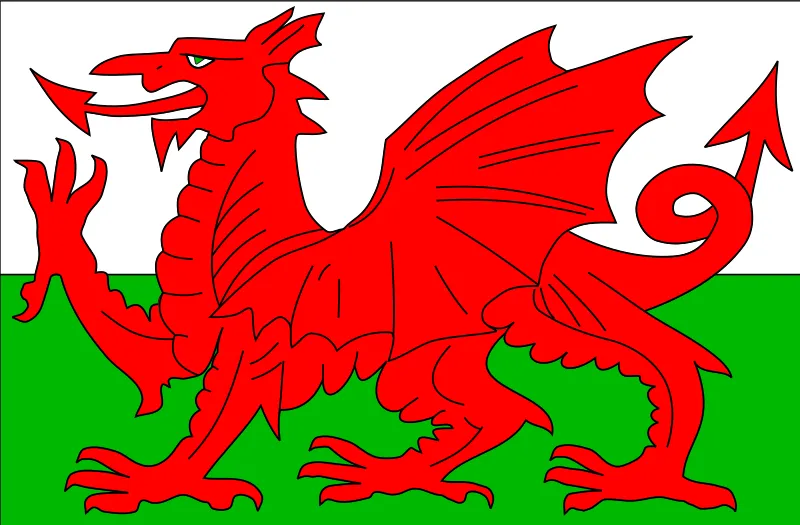
Photo: Welsh cawl bowl with bread and cheese in a cosy pub, via openclipart.org
On a night when the valley road shines wet and the abbey lights blur behind the rain, there is one dish in Neath that does not need a menu description. Cawl. A bowl of it arrives, steam curling round the rim, and the room seems to settle by a degree. This is not fancy food. It is not meant to be. It is the taste of a cold evening being told, firmly but kindly, to wait outside.
Cawl has been doing that job for centuries. The word itself is an old Welsh one for broth or soup, and the dish grew out of practical cooking: one pot, slow heat, whatever the household had. Mutton or lamb, often on the bone. Roots from the garden or the market. Leeks, potatoes, sometimes bacon for depth. The method was never precious. It was built for weather, for work, and for the certainty that a pot could be stretched further the next day.
A Bowl With a Valley in It
In Neath, cawl still tastes of place. The valley gives it lamb, and the market gives it vegetables with soil still on them. There is a reason the dish appears on pub specials boards when the nights draw in and disappears again when the first warm weekends arrive. It belongs to the colder half of the year, but it also belongs to the idea that food should be generous rather than clever.
What makes a good cawl is not a secret ingredient. It is time. A kitchen that rushes the broth gets a thin, cloudy liquid that tastes of stock cubes and apology. A kitchen that gives it hours gets something with body and sweetness, where the lamb has softened into the roots and the leeks have kept a little green bite. The seasoning should be simple: salt, pepper, maybe a little white pepper at the end. No foam. No drizzle. No tiny herb bouquet placed on top with tweezers.
How a Neath Kitchen Builds Its Broth
A proper pub cawl usually starts with lamb or mutton, browned first if the kitchen wants a deeper flavour. Bones go in too, because that is where the body comes from. Onions, carrots, swede and celery are added, then water or light stock. The pot comes to a gentle simmer and stays there, never boiling hard, for a couple of hours. Skimming matters. So does patience.
Potatoes can go in halfway through, or they can be cooked separately and added to the bowl so they keep their shape. Leeks go in later still, so they do not dissolve into nothing. Some kitchens add a handful of pearl barley for thickness. Others keep it clean and brothy. Both are defensible. What matters is that the finished bowl tastes of the meat and the vegetables, not of a packet.
The best cawl in a Neath pub will often be made the day before. Resting overnight lets the flavours settle and makes it easier to lift off any excess fat. On the day, it is reheated gently and checked for seasoning. That is it. The work is not complicated. It is just unhurried, which is a different thing altogether.
The Bread, the Cheese and the Second Helping
The ritual matters as much as the recipe. Cawl is served with crusty bread and a wedge of cheese, usually a mature Welsh cheddar or something sharp and crumbly like Caerphilly. The bread is for dipping, tearing and mopping. The cheese is not a side dish. It is punctuation. A little on the bread, a little after the broth, a little more than you planned.
Some people eat the broth first and the meat and vegetables afterwards, as if the bowl has two courses. Others go at it all at once. In a pub, nobody polices it. The second helping is the real test. A good cawl makes you consider it. A great one has the waiter back at the table before you have finished the first bowl, because the kitchen knows what happens when the rain is coming sideways and the fire is doing its best.
The Right Pint Beside the Bowl
Cawl is hearty enough to stand up to a pint, but it does not need a fight. A dark mild is a lovely match: soft, malty and gentle enough not to bulldoze the lamb. A best bitter works too, especially one with a little earthy hop character. An amber ale can bring out the sweetness of the swede and carrots. What you want to avoid is anything too cold, too fizzy or too aggressively hopped. Cawl is a conversation, not a contest.
At The Bluebell, the rule is simple: if the bowl is worth a second helping, the pint should be worth a slow first one. Cawl weather does not last forever. But while it does, there are few better ways to spend an evening in Neath than with a spoon, a bit of bread, a wedge of cheese and a dark pint settling beside you.