Brace, Roast and a Dark Pint: Giving Welsh Game Its Place at the Neath Table
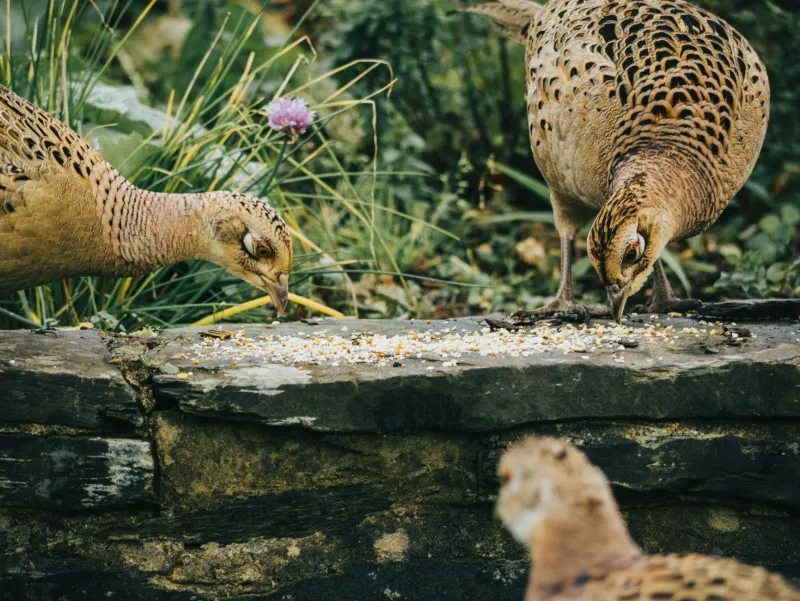
November in Neath has a particular feel. The valley roads are wetter, the abbey ruins look a shade more dramatic against a grey sky, and the pub becomes less of a stop-off and more of a destination. It is also the season when Welsh game quietly comes into its own. Pheasant, partridge and venison are not novelty ingredients for Michelin-starred kitchens; they are seasonal food with deep roots in the Welsh countryside, and they deserve a place on the kind of hearty pub tables we do well around here.
What Welsh game season actually looks like
Game season is not a single date on a calendar. It is a rolling window through autumn and winter, with different birds and beasts arriving at different times. Pheasant and partridge are the familiar feathered names, while venison brings the richer, darker end of the spectrum. Around the Vale of Neath and the fringes of the Brecon Beacons, estates and farms manage land that has long been associated with shooting and country sports. The result, for cooks and publicans, is a supply chain that is local, seasonal and genuinely traceable when handled properly.
That matters. Game is not factory food. A brace of pheasant may vary in size; a haunch of venison will not be identical from one week to the next. Good kitchens treat that as a feature, not a flaw. It is the same reason a proper Welsh cawl tastes different from one kitchen to the next: the ingredients are honest, and the cook has to respond to them.
The butcher’s counter test
For anyone cooking at home, the first stop should be a reputable butcher or game dealer. In Neath Market Hall and the surrounding area, the best counters tend to be the ones that can tell you where the birds came from and when they were hung. Ask about hanging time. Pheasant is often at its best after a few days of hanging, which develops flavour without turning the meat overly strong. Partridge is generally milder and more delicate. Venison should look dark, lean and clean-smelling, with a good depth of colour rather than a dull, tired surface.
If you are buying a whole bird, look for plump breasts, unbroken skin and a fresh smell. If you are buying joints, ask what the butcher recommends for a pub-style plate. A shoulder of venison is forgiving and generous; a loin is smarter and quicker. Neither needs to be complicated. The point is not to disguise the meat under a tower of foams and powders. The point is to cook it with enough confidence to let it taste of the Welsh hills.
How a pub menu should handle game
A pub does not need to turn into a fine-dining restaurant to serve game well. In fact, the opposite is usually true. The best game dishes in a Neath pub will feel like they belong beside the pie and the roast, not in a separate, intimidating section of the menu. A small plate of pheasant croquettes with a sharp fruit chutney is a good opener. A partridge breast with bacon, cabbage and mash is the sort of main course that makes sense after a valley walk. Venison stew with root vegetables and a suet dumpling is hearty without being heavy.
What should you look for as a customer? Clear sourcing, for a start. A menu that says Welsh game or names the estate is already ahead of one that simply says game. Look for sensible cooking methods: roasting, braising, stewing, pot-roasting. Game is lean, so it can dry out quickly if treated carelessly. A kitchen that understands this will often pair it with something rich and moist, whether that is a bacon jacket, a dark gravy, a fruit compote or a generous spoonful of mash.
Portion size matters too. A little game goes a long way. A modest serving with good vegetables and a proper sauce is far more welcoming than an enormous plate that overwhelms the eater and the kitchen alike. The Welsh pub table is about generosity, not showing off.
A pint to match
Pairing game with beer is less fussy than some wine lists would have you believe. The guiding principle is simple: match the weight of the beer to the weight of the dish. Pheasant, being the milder and slightly drier of the feathered options, sits nicely with an amber ale or a best bitter that has a bit of biscuit malt and a clean hop finish. Partridge can take something slightly nuttier: a brown ale with gentle caramel notes is a natural fit. Venison, especially in a stew or with a dark gravy, wants a stout or a porter. The roastiness and the soft, full body work like a blanket around the meat.
Local ales are the obvious place to start. Neath and the wider Welsh brewing scene have plenty of beers that fit the bill without being heavy-handed. Ask for a taster if you are unsure. A good publican will not mind. The whole point of a pub is that the pint and the plate should be able to have a conversation.
Keeping it Neath
There is a temptation to treat game as something special, something for a white tablecloth and a whispered conversation. That would be a mistake. In this part of Wales, game has always been connected to the land, to estate kitchens, to farmhouse tables and to the practical business of feeding people well when the weather turns. Putting it on a Neath pub menu in 2026 is not about inventing a new trend. It is about recognising something that was already there.
So this November, look for the pheasant on the specials board. Ask the butcher what has just come in. Try the venison stew with a dark local ale and see how it feels. If we want a food culture that is proudly Welsh, hearty and welcoming, then the game season gives us a very good place to start. Feather, fork and a pint: it is a combination that suits Neath rather well.