Beer Beneath the Abbey: How Neath's Working Past Poured Itself into Today's Taps
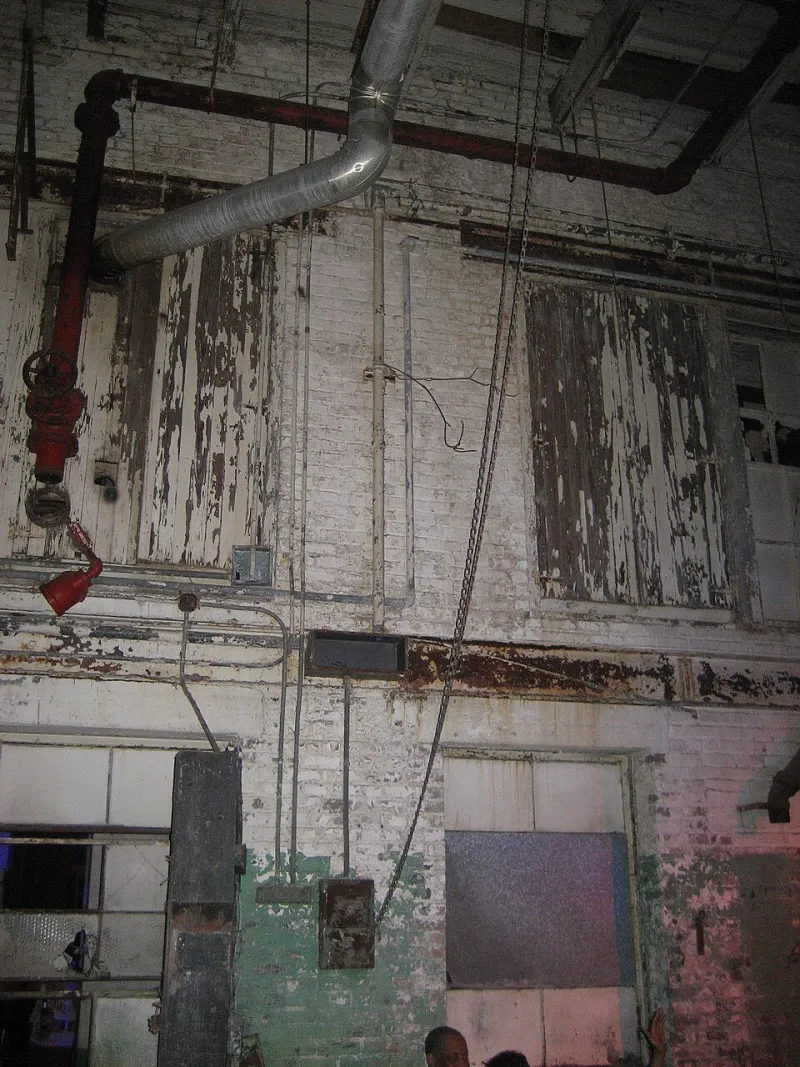
Photo: Infrogmation of New Orleans, CC BY-SA 3.0, via Wikimedia Commons
Stand near Neath Abbey on a damp morning and the past is not hard to find. The ruins sit low and grey, the river moves quietly, and the town around them carries the marks of centuries of work. Copper smoke, coal dust, tinplate, the clang of industry: Neath has been a place that made things. Beer was part of that world. It still is.
When the valley ran on smoke and steam
Neath Abbey was founded in the twelfth century, but the industrial story that shaped the modern town came much later. By the eighteenth century, copper works were using the valley's position and its fuel to smelt metal. In the nineteenth century, coal, tinplate and heavy industry drew workers into the town and up the valley. Those workers needed somewhere to eat, argue, organise and rest. The pub was often that place.
Brewing followed the workforce. A town with a hungry, thirsty population does not wait for a national brand to arrive. It makes beer close to home. Small breweries attached to pubs, or serving a handful of houses, were part of the ordinary economy. They were not romantic craft operations. They were practical: malt, water, hops, yeast, and a landlord who knew how much a man could drink after a shift.
The pub as factory canteen and parliament
In an industrial town, the pub did more than pour beer. It was the room where wages were discussed, where union business was done, where a stranger could be sized up and a local could be teased. The pint was the social lubricant, but the pub itself was the institution. Its snacks were salty because the work was hot. Its beer was often mild or bitter because it was meant to be drunk in quantity, not sipped and described.
That is not nostalgia. It is a reminder that beer in Neath has always been tied to work and landscape. The valley provided water and transport. The town provided customers. The pub provided a place where the two could meet.
From consolidation to craft
The twentieth century changed the picture. National brewers bought up local names. Pubs were tied to bigger companies. Many small breweries closed, and the range of beer in a valley town narrowed. By the end of the century, a drinker in Neath might have found plenty of familiar taps but few beers that tasted of the place.
Then came the craft turn. Across Wales, small breweries began to reappear in the 2000s and 2010s, often in industrial units, farm buildings and back rooms. They were not trying to recreate the old breweries exactly. They were trying to make beer with character, for people who wanted to know what they were drinking. In 2026, that movement is no longer new, but it is still local. You can find Welsh pale ales, best bitters, stouts and seasonal beers in Neath pubs and in the wider Neath Port Talbot area. Some are brewed a few miles away. Some are brewed in the next valley. The point is the same: beer that belongs to a place.
Where to taste the valley in 2026
You do not need a guidebook to find good beer here. You need a little curiosity and a willingness to ask questions.
Start with a town-centre pub that keeps a local bitter on the handpump. Order a half. If the pump clip names a Welsh brewery, ask where it is from. A good barman will tell you, and they will often tell you which beer is drinking best that week.
Next, look for a pub with a wider range of Welsh ales. In 2026, many Neath pubs will have at least one local pale ale or stout alongside the familiar names. That is the moment to try something you have not heard of. A half-pint is enough to make a judgement.
If you can, find a brewery tap or a bottle shop with a local selection. These are the places where the valley's smaller producers get a direct hearing. They are also good places to buy a bottle to take home, which is a sensible way to support a small brewery without committing to a full evening.
At The Bluebell, we like a day that starts with a walk and ends with a pint that tastes of the place. The route does not have to be long. A loop from the town centre, past the abbey, and back through the older streets is enough to remind you what Neath was built on.
Why the landscape still matters
Beer is mostly water, and Neath has always had water. It is also malt, hops and yeast, and those ingredients come from elsewhere. But the landscape matters in other ways. It shapes the buildings where beer is made. It shapes the pubs where it is sold. It shapes the appetite for a pint after a walk on a wet afternoon.
The old copper works are gone. The collieries are gone. The tinplate works are not what they were. But the habit of making things in this valley has not disappeared. It has just become smaller, more varied and more likely to be served in a half-pint glass with a pump clip that tells you something.
That is the thread from the copper works to the craft taps. It is not a straight line, and it is not a simple story of progress. It is a story about work, thirst and place. In Neath, beer has always been part of that conversation. In 2026, it still is.
So next time you see a local ale on the bar, give it a go. Ask where it was brewed. Ask what it is like. The answer might be a short history of the valley, served in a glass.